Medical & Scientific Advisory Board (MASAB)
Alok A. Khorana, MD, FACP, FASCO, MASAB CHAIR
 Dr. Khorana is a professor of medicine at the Cleveland Clinic’s Lerner College of Medicine. His clinical and translational research program focuses on predictive factors and drug development in cancer-associated thrombosis and gastrointestinal cancers.
He also serves as the Sondra and Stephen Hardis Chair in Oncology Research at Case Western Reserve University; Vice-Chair for Clinical Services of the Taussig Cancer Institute (part of Case Comprehensive Cancer Center); and Director of the Gastrointestinal Malignancies Program at the Cleveland Clinic, Cleveland, Ohio.
He has been funded by grants from the National Cancer Institute, the National Heart, Lung, and Blood Institute, the Hardis Family, the Porter Family Fund, VeloSano, the Cleveland Clinic Center for Excellence, the Scott Hamilton CARES Initiative, Stand Up To Cancer (Colorectal Cancer “Dream Team”) and the V Foundation.
Dr. Khorana received his medical degree from Maharaja Sayajirao University’s Medical College in Baroda (now Vadodara, Gujarat), India. His postdoctoral training included a residency in internal medicine at the University at Buffalo in New York, and a fellowship in hematology/oncology at the University of Rochester, New York. He is a Fellow of the American College of Physicians and in 2018 was elected Fellow of the American Society of Clinical Oncology.
Dr. Khorana is Past Chair of the American Society of Clinical Oncology (ASCO) Clinical Practice Guidelines Panel (CPGC), Chair of ASCO CPGC’s Pancreas Cancer Working Group, Co-Chair of ASCO CPGC’s Multisite Advisory Group and Co-Chair of the ASCO Guidelines Panel on Resectable Pancreas Cancer. He has also served or serves on the ASCO Scientific Program Committee and multiple Guidelines/Guidance Panels including those of ASCO, American Society of Hematology (ASH), American Society for Radiation Oncology and International Society on Thrombosis and Haemostasis (ISTH) and as a member of the US Pharmacopoeia Oncology Expert Committee. He was previously Chair of the ISTH Scientific Subcommittee on Hemostasis and Malignancy in 2019, and Dr. Khorana was awarded the Cleveland Clinic’s Maria and Sam Miller Professional Excellence Award for Scientific Achievement in Clinical Research.
Dr. Khorana has been published in a variety of journals, including New England Journal of Medicine, Journal of American Medical Association (JAMA), Journal of Clinical Oncology, Blood, Journal of the National Cancer Institute, Clinical Cancer Research, PLoS One, and JAMA Internal Medicine. He has co-authored chapters in multiple textbooks including multiple editions of Cecil Essentials of Medicine and DeVita’s Cancer: Principles and Practice of Oncology. He is co-editor of the book Cancer-Associated Thrombosis: New Findings in Translational Science, Prevention and Treatment (Informa, 2007). Dr. Khorana’s fiction and creative nonfiction works have been published in the Bellevue Literary Review, Annals of Internal Medicine and Health Affairs and selected for Best American Medical Writing (Kaplan, 2009).
Nathan J. Alves, PhD
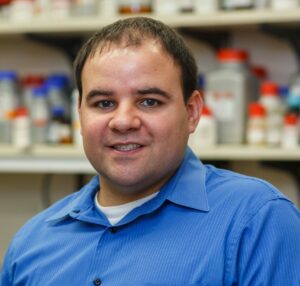
Nathan J. Alves received his PhD in Chemical and Biomolecular Engineering from the University of Notre Dame. Following graduate school, he completed a post-doctoral research fellowship at the IU School of Medicine, where he began his work on the pharmaceutical delivery of clot-digesting enzymes utilizing a nanoparticle-based delivery system. He then spent two years at the Naval Research Laboratory (NRL) in DC on a National Academy of Science Research Associateship. Currently, Dr. Alves is the Research Director and an Associate Professor at the Indiana University School of Medicine (IUSM) in the Department of Emergency Medicine with a joint appointment at Purdue University in Biomedical Engineering.
The research he conducts, while spanning many disciplines, is centered on the development of translational technologies, treatments, and techniques that can be utilized to have a positive impact on people’s lives. He has extensive experience in: nanoparticle drug delivery, packaging of pharmaceutical agents/enzymes to treat various diseases, studying the effect that microplastic exposure has on coagulation and fibrinolysis, site-specific antibody modification, oriented antibody immobilization for advanced diagnostics, and extracellular vesicles (EV). Additionally, he is the co-founder and President of Indiana Lysis Technologies LLC, a startup company spun out from research at IUSM utilizing nanoparticles to deliver clot digesting proteins for the treatment of pulmonary embolism. His multidisciplinary background affords him a unique perspective to tackle complex therapeutic and medical device development problems.
Alpesh Amin, MD, MBA, MACP, SFHM, FACC
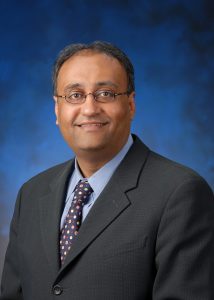 Dr. Amin is with the University of California–Irvine (UCI) in the capacity of the Tom and Mary Cesario Chairman, Department of Medicine. He is Professor of Medicine, Business, Public Health, Nursing, and Biomedical Engineering at UC Irvine. He is also founder and executive director of the Hospitalist Program. Dr. Amin has served as Vice Chair for Clinical Affairs and Quality for 12 years, Chief of the Division of General Internal Medicine for 6 years, Associate Program Director of the Internal Medicine Residency Program for 14 years, and Medicine Clerkship Director for 14 years. Dr. Amin obtained his MD degree at Northwestern University Medical School, Chicago, Illinois, and later he completed his internship and his residencies in internal medicine, including a chief residency, at UCI. Also at UCI, he earned a healthcare MBA. Dr. Amin is the first Hospitalist to be named Chief of a Division of GIM, and then subsequently the first Hospitalist to be named Chairman of a Department of Medicine nationally.
Throughout his career, Dr. Amin has been innovative in clinical, quality and educational program development. He has advised the Hamad Medical Corporation in Doha, Qatar on Quality Improvement efforts across 8 hospitals under the national health ministry council. He has developed processes to improve patient care delivery looking at ways to reduce readmission and avoidable admissions, as well as improvements in length of stay, mortality and customer service. Dr. Amin is an expert in implementation science and measuring outcomes to improve sustainable long lasting results. He has also applied information technology to improve the delivery of care through development of projects such as NHCPlus, eConsults, Apps for Safe Anticoagulation Use, and others.
During the course of his career, Dr. Amin has served as principal investigator, co-investigator, and faculty sponsor on clinical trials and research projects focusing on clinical topics such as VTE, pneumonia, and heart failure. His research interest is in health outcomes related to patient safety & quality improvement and medical education. He is a member of professional organizations as the Society of Hospital Medicine, the American College of Physicians, the Society of General Internal Medicine, Academic Chiefs and Leaders of General Internal Medicine, Academic Alliance of Internal Medicine, and Association of Professors of Medicine. Dr. Amin has authored or co-authored over 170 peer-reviewed articles. He is the co-editor/co-author of the Core Competencies for Hospital Medicine by SHM. He served as Chair of SHM’s Education Committee for 4 years, the 2006 SHM Annual Meeting Course Director, and was on the SHM’s Board of Directors. Dr. Amin was Associate Editor of Hospital Medicine Secrets. Dr. Amin is also co-editor of the book Contemporary Hospitalist Guide to Anticoagulation.
Among Dr. Amin’s numerous awards and honors include the American College of Physicians Special Recognition Award, a Masters of the ACP, a Senior Fellow of SHM, named as one of “America’s Top Physicians” by the Consumers’ Research Council of America, Orange County Physician of Excellence Award, ACP’s Top 10 Hospitalist Award, and Fellow of ACC. Dr. Amin is also the recipient of the Alfred Soffer Award from the ACCP, the Venous Research Award for Quality Improvement and Implementation of Best Practices from the Venous Disease Coalition (VDC)/Vascular Disease Foundation (VDF), Exceptional Leadership Award by ALCGIM, CDC’s HA-VTE Prevention Champion, and HMC’s Stars of Excellence Award. He founded and directs the UCI Anticoagulation Clinic which is recognized nationally as an AC Forum Center of Excellence.
Nancy E. Amoroso, MD
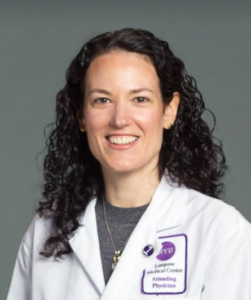 Dr. Nancy E. Amoroso is the Section Chief of the Pulmonary, Critical care and Sleep medicine group at the NYU Grossman School of Medicine in NYC. Dr. Amoroso is a practicing pulmonologist and Associate Professor, Department of Medicine, in the Division of Pulmonary, Critical Care and Sleep Medicine at NYU Grossman School of Medicine. Dr. Amoroso received her medical degree from Georgetown University School of Medicine and has been in practice for more than 20 years.
Dr. Amoroso’s major research interests include pulmonary embolism, thrombosis, and COVID in the critically ill, and her clinical activities include serving as both an intensivist in the medical intensive care unit and as a pulmonary attending on the Medicine-Pulmonary inpatient service.
Sara E. Anderson, BS, RN
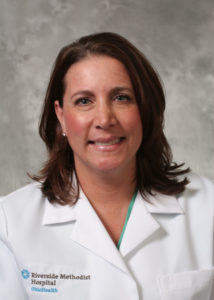 Ms. Anderson BS, RN is an Advanced Heart and Vascular Clinical Program Coordinator at OhioHealth Riverside in Columbus, Ohio. Ms. Anderson provides feedback to EMS providers, referral facilities, and internal teams regarding Pulmonary Embolism patients and has also been instrumental in developing a feedback template that is utilized for PE follow up care. Ms. Anderson collaborates with key stakeholders at the hospital to identify and resolve systemic issues with PE clinical pathways and processes and has been instrumental in developing a PE treatment algorithm.
Ms. Anderson is a nationally recognized and sought after educator specializing in PE and VTE program development and is a member of the provider team focused on improving patient outcomes. Sara has been a nurse for over 20 years and is dedicated to identifying process barriers and opportunities to advance the care of VTE patients.
Jack Ansell, MD, MACP
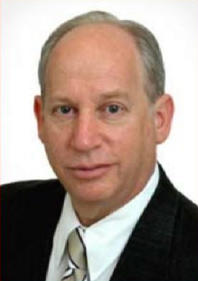 Dr. Jack Ansell is former Chair of Medicine, Lenox Hill Hospital and is a Professor of Medicine at Hofstra-NorthShore/LIJ School of Medicine. He is a clinical investigator with a principal focus on the clinical problems of thrombosis, antithrombotic therapy, and the application of new modes of delivering and monitoring anticoagulants.
Prior to his position in New York, Dr. Ansell was a Professor of Medicine and Vice Chairman of the Department of Medicine at Boston University School of Medicine. Dr. Ansell has helped to identify and provide an understanding of the problems related to the management of warfarin therapy and was one of the first investigators to identify and show that patients can manage their own therapy through home monitoring. He has been a leader in the promotion of high quality anticoagulation management through the development of anticoagulation clinics and was founder and president for over 15 years of the Anticoagulation Forum, which has grown into a 6,000 member organization representing over 2,000 anticoagulation clinics and interfacing with over ¾ of a million patients.
Dr. Ansell has authored more than 180 peer reviewed manuscripts and a number of texts and textbook chapters. He has been the lead author for over 10 years of the major consensus guidelines for antithrombotic therapy through the American College of Chest Physicians Consensus Conference on Antithrombotic Therapy, and is lead editor of a one-of-a-kind textbook entitled Managing Oral Anticoagulation: Clinical and Operational Guidelines. Dr. Ansell has also held a leadership position in the National Blood Clot Alliance, a patient advocacy group, as past Chair of the Medical and Scientific Advisory Board. Dr. Ansell received his medical degree from the University Of Virginia School Of Medicine and completed his medical residency at Tufts-New England Medical Center in Boston, followed by a fellowship in Hematology at Boston University and the Boston’s Veterans Administration Hospital.
Samuel A. Berkman, MD, FACP
Dr. Berkman has been Clinical Professor of Medicine in the Division of Hematology-Oncology at UCLA since 1991. He is a graduate of Tufts Medical School and completed his hematology fellowship at UCLA and his medical oncology training at the National Institutes of Health. He is board certified in internal medicine, hematology, and medical oncology.
He has consulted on thrombosis cases at UCLA and Cedars-Sinai since 1985, and was recognized six consecutive years as the outstanding teacher in the UCLA Department of Medicine by the medical house staff. He has published many articles about thrombosis and is a regular contributor to the McMaster University evidence-based newsletter.
Dr. Berkman is a frequent speaker on thrombosis at hospitals in Southern California, and has been a reviewer for Clinical and Applied Hemostasis/Thrombosis and the Annals of Internal Medicine.
Caroline Cromwell, MD
 Dr. Cromwell earned her undergraduate degree from Harvard University, her MD from the Mount Sinai School of Medicine, and completed her Internal Medicine residency at NYU Medical Center. She completed her hematology/oncology fellowship at Mount Sinai Hospital where she also received her Masters of Science in Clinical Research. She served as Director of the Thrombosis Services Program for the Mount Sinai Health System and is a Committee Leader for the Mount Sinai Hospital Anticoagulation Safety and VTE Prophylaxis Committee.
Dr. Cromwell is also the Associate Medical Director for the Cardiovascular Surgery Bloodless Management Program for the Mount Sinai Health System. Her clinical focus is on consultative non-malignant hematology, women’s health, and the long-term care of patients with deep vein thrombosis and pulmonary embolism.
Dr. Cromwell is active in teaching and mentorship. She is Senior Medical Student Faculty Advisor at the Icahn School of Medicine. She is an ASH Ambassador, helping to support the recruitment and retention of trainees to hematology. She also currently serves on the ASH Medical Education Subcommittee.
Margaret C. Fang, MD, MPH
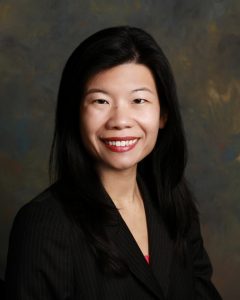 Margaret C. Fang, MD, MPH, is an Associate Professor of Medicine in the Division of Hospital Medicine at the University of California, San Francisco. She serves as the Medical Director of the UCSF Anticoagulation Clinic, the Research Director for the UCSF Division of Hospital Medicine, and Director of the UCSF Academic Hospital Medicine Fellowship, and is a Senior Deputy Editor for the Journal of Hospital Medicine. As a clinician-investigator, her research program focuses on optimizing the use of anticoagulant therapies for the prevention and treatment of thromboembolism.
She has published widely in this area, including on the use of anticoagulants for atrial fibrillation and venous thromboembolism, risk prediction models for stroke and hemorrhage, and on the epidemiology and outcomes of stroke and thrombosis.
David Garcia, MD
 Dr. David Garcia is Professor of Medicine in the Division of Hematology at the University of Washington. Dr. Garcia is the President of the Anticoagulation Forum, a national interest group focused on the prevention and treatment of thromboembolic disease.
His primary research interests include the relationship of cancer and thrombosis, the treatment of warfarin-associated coagulopathy, and the risks and benefits of peri-procedural anticoagulation. Dr. Garcia has been an invited speaker at several international meetings and has authored or co-authored more than 30 peer-reviewed publications in high-impact journals such as Blood, Annals of Internal Medicine, Archives of Internal Medicine, Chest, Thrombosis and Thrombolysis, the British Journal of Hematology and the Journal of the American College of Cardiology.
William H. Geerts, MD, FRCPC
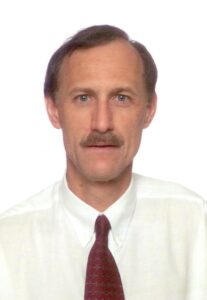
Dr. Geerts is a thromboembolism specialist at Sunnybrook Health Sciences Centre in Toronto and Professor of Medicine at the University of Toronto.
Throughout his career, Dr. Geerts’ major academic interests have been the prevention of venous thromboembolism, especially in trauma and in improving the use of thromboprophylaxis in hospitalized patients.
From 1998-2008, Dr. Geerts was chair of the Prevention of Venous Thromboembolism section of the American College of Chest Physicians (ACCP) Guidelines on Antithrombotic Therapy and, from 2007-17, he led the Canadian Patient Safety Institute’s Safer Healthcare Now! initiative to improve the use of thromboprophylaxis across the country.
In the United States, Dr. Geerts has been a consultant to the following organizations: The Surgical Care Improvement Project (SCIP), The Joint Commission/National Quality Forum, the Centers for Disease Control (CDC) Prevention of Hospital-Acquired VTE Initiative, the FDA IVC Filter committee, and the Consortium for Spinal Cord Medicine VTE guidelines committee.
He has more than 140 peer-reviewed publications and has given more than 1,250 formal educational presentations locally, nationally and internationally.
Neil A. Goldenberg, MD, PhD
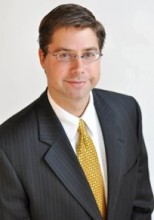
Dr. Goldenberg is Director of Research at Johns Hopkins All Children’s Hospital (JHACH, St. Petersburg, FL) and oversees the bi-campus Johns Hopkins Pediatric Thrombosis Program at JHACH in Florida and the Johns Hopkins Bloomberg Children’s Center in Maryland. He also directs the Pediatric Stroke Program at JHACH.
Dr. Goldenberg holds a Ph.D. in Clinical Investigation from the University of Colorado. He earned his undergraduate degree from Williams College in 1993 and his medical degree from McGill University (Montreal, Quebec, Canada) in 1998 and then completed a combined residency in Internal Medicine and Pediatrics at the University of South Florida, followed by a fellowship in hematology/oncology/bone marrow transplantation at the University of Colorado.
Dr. Goldenberg is the Overall Principal Investigator of the Kids-DOTT trial, a multinational randomized controlled trial on duration of anticoagulation for venous thromboembolism (VTE) in patients less than 21 years of age, funded by U01 grants from the National Institutes of Health (NIH), National Heart Lung and Blood Institute. He is a former American Society of Hematology (ASH) Scholar and faculty member of the ASH Clinical Research Training Institute. He also chairs, or has recently chaired, Steering Committees and Data and Safety Monitoring Committees for several industry-sponsored multicenter clinical trials in pediatric venous and arterial thromboembolism treatment and prevention. He was also a recent co-chair of the Pediatric and Neonatal Subcommittee of International Society on Thrombosis and Haemostasis (ISTH) Scientific and Standardization Committee, leading the Subcommittee’s Work Groups on VTE prevention, arterial thromboembolism, and pulmonary embolism.
Dr. Goldenberg’s work has been published as first- or senior-authored original research reports in the New England Journal of Medicine, Annals of Internal Medicine, Pediatrics, Journal of Pediatrics, Stroke, Blood, Journal of Thrombosis and Haemostasis, Lancet Neurology, Thrombosis and Haemostasis, Thrombosis Research, and others. In addition to original research, review articles, book chapters, and edited textbooks, he has co-authored numerous international guidelines and scientific statements in VTE treatment and prevention, clinical research, and antithrombotic management, and has given CDC-sponsored webinars on venous thromboembolism in children and young adults. He mentors numerous junior faculty and trainees in pediatric clinical and translational research at Hopkins, as well as several junior faculty working in the pediatric VTE field at other institutions.
Carin Gonsalves, MD
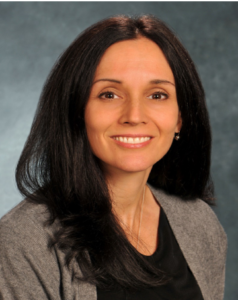 Dr. Carin Gonsalves is a Professor of Radiology and Co-Director of the Division of Interventional Radiology at Thomas Jefferson University in Philadelphia, PA. Over the course of her 21-year career, she has received several awards and honors including the Judy Dubbs Memorial Research Award, the A. Edward O’Hara MD Award for Excellence in Teaching, the Dean’s Award for Excellence in Education, the Dean’s Award for Outstanding Clinician, the Faculty Team Achievement Award for Collaborative Work as a Member of the Metastatic Uveal Melanoma Team, Certificate of Merit and the CureOM Hope Award from the Melanoma Research Foundation, Castle Connolly America’s Top Doctor in Vascular and Interventional Radiology, Castle Connolly Philadelphia Top Doctor in Vascular and Interventional Radiology and Castle Connolly Exceptional Women in Medicine.
She has also been the principal and co-investigator for several NIH-funded clinical trials and has received research awards from the Radiologic Society of North America, American Roentgen Ray Society and the Society of Interventional Radiology. In 2011, she was elected a Fellow of the Society of Interventional Radiology for her outstanding credentials, achievements and contributions to the field of interventional radiology. In addition, Dr. Gonsalves is the Co-Founder (2016) and Co-Director of the Pulmonary Embolism Response Team at Thomas Jefferson University providing outstanding state-of-the-art care for patients diagnosed with pulmonary embolism.
Scott Kaatz, DO, MSc, FACP, FHM
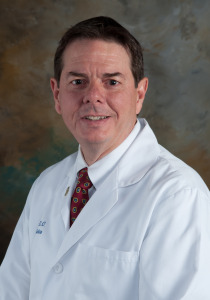 Scott Kaatz is a Clinical Professor of Medicine at Wayne State University in Detroit and also a Hospitalist at Henry Ford Hospital. He attended medical school at Michigan State University and completed his residency in internal medicine at Henry Ford Hospital. Later in his career, he earned his Master’s degree in Evidence-Based Health Care from Oxford University.
He has a long standing research interest in anticoagulation and thromboembolic disease and was the Medical Director of the Anticoagulation Clinics for the Henry Ford Health System in Detroit, MI for 15 years.
Dr. Kaatz is a fellow of American College of Physicians and the Society of Hospital Medicine, as well as a member of the Society for General Internal Medicine, International Society of Thrombosis and Heamostasis and the American Medical Association. He serves on the boards of the Anticoagulation Forum, Thrombosis and Hemostasis Societies of North America, National Certification Board of Anticoagulation Providers, Medical & Scientific Advisory Board of the National Blood Clot Alliance.
He has participated in many research studies with an emphasis on anticoagulation, atrial fibrillation, peri-procedural anticoagulation and venous thromboembolism prevention, diagnosis and treatment; and has published numerous abstracts, articles and book chapters in this field.
Jeffrey A. Kline, MD
 Dr. Kline is the Brooks Bock Endowed Professor and Associate Chair of Research at the Department of Emergency Medicine at the Wayne State University School of Medicine. Dr. Kline conducts clinical and translational research to improve the therapeutic index of the diagnostic evaluation of patients with possible venous thromboembolism and treatment of patients with proven venous thromboembolism.
Dr. Kline’s research focuses on screening, risk stratifying and treating pulmonary embolism (PE). He has built and patented a device to help diagnose or exclude PE based upon instant analysis of exhaled partial pressures of CO2 and O2. Dr. Kline received his medical doctorate from the Medical College of Virginia in 1990. He completed residency training in emergency medicine at the Carolinas Medical Center in 1993 and then a research fellowship in 1994.
Professor F.A. (Erik) Klok, MD
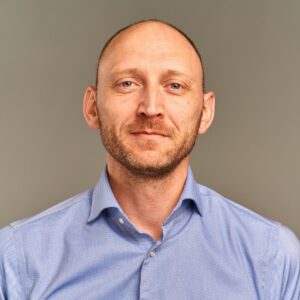 Professor F.A. (Erik) Klok is an Internist with a specialty in Vascular Medicine. He is a clinical staff member of the department of Medicine at the Leiden University Medical Center (Leiden, the Netherlands) and a visiting Professor at the Center for Thrombosis and Hemostasis of the University of Mainz (Mainz, Germany). His main research interests are diagnostic management of acute venous thrombosis as well as prediction and treatment of its long term complications.
Peter Kouides, MD
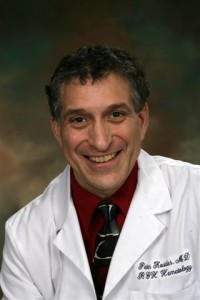 Over the years, Peter Kouides, MD, has served as principal investigator on a number of studies primarily dealing with the gynecological and obstetrical complications of von Willebrand Disease (VWD) as well as thrombotic disorders of pregnancy. Dr. Kouides is also co-chair of the Centers for Disease (CDC) Universal Data Collection (UDC) study of women with bleeding disorders. He serves on the CDC UDC working group and is past co-chair of the International Society of Thrombosis and Hemostasis Women’s Hemostasis and Thrombosis Issues committee. He recently completed a textbook of bleeding disorders in women co-edited with Professors Christine Lee and Rezan Kadir. In 2005, Dr. Kouides received a National Hemophilia Foundation (NHF) Award of excellence for work in Women with bleeding disorders and then in 2009 the NHF Physician of the Year award. He was the 2010 recipient of the Rochester General Hospital Father Norton Physician of the Year award.
Dr. Kouides is also an appointed recent past member of the NHF Medical and Scientific Advisory Committee and recent past member of the U.S. Health and Human Services Advisory Committee on Blood Safety and Availability. He is a member of the Medical Advisory Committee for the Foundation for Women and Girls with Blood Disorders. He is immediate past-president of the Hemophilia and Thrombosis Research Society (HTRS) of North America. He is chair of the New England Hemophilia Treatment Centers Executive committee. He was co-chair of the first biennial Thrombosis and Hemostasis Summit of North America (THSNA) in 2012 and is co-chair for the 2014 meeting. Dr. Kouides is co-editor of NHF’s HemeAware magazine and the journal Seminars in Hemostasis and Thrombosis. He serves on the editorial board of Haemophilia. Dr. Kouides is the medical director of the Mary M. Gooley Hemophilia Treatment Center since 1998 and is also the team leader for the Mary M. Gooley Hemophilia Treatment Center World Federation of Haemophilia Twinning Program with Bishkek, Kyrgyzstan in setting up a National Haemophilia program and Treatment Center with visits in 2009, 2011, and 2013.
Michael Kroll, MD
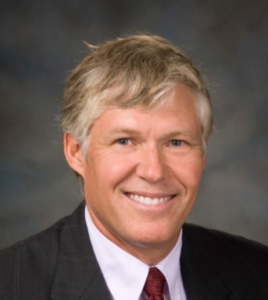 Dr. Michael Kroll’s basic research background is in mechanisms of platelet-dependent thrombosis, and his academic clinical niche is benign hematology, hemostasis and thrombosis. His group’s research activities focus on mechanisms of cancer- and stem cell transplant–associated thrombotic microangiopathy, the prevention and treatment of venous thromboembolism in cancer patients, and mechanisms of cancer-induced venous thrombosis.
Dr. Kroll is intimately involved in fellowship training, co-directs UTMDACC’s Anticoagulant Stewardship Program, has published over 100 manuscripts in peer-reviewed journals, lectures world-wide over a dozen times per year, serves on 2 federal grant review committees, has received several awards for education and leadership, and has served The American Society of Hematology in various capacities.
Dr. Kroll received his medical degree from Cornell. He underwent residency training in internal medicine at Brown University and completed his fellowship in hematology/oncology at Harvard Medical School–Brigham & Women’s Hospital.
Paul Lewis, MD, FAAFP, CPE, CPHIMS
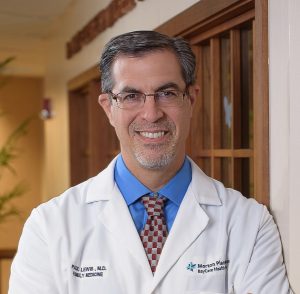 Dr. Paul Lewis is the Director of Evidenced Based Medicine & Physician Quality at Baycare Health Systems in Clearwater, Florida. He is also the System Vice Chair of Continuing Medical Education. He attended medical school at the University of South Florida & completed his Family Medicine residency there. He is an Associate Clinical Professor in the USFCOM Department of Family Medicine and was the past program Director of USF Family Medicine Residency. He remains a current teaching faculty member at the residency and has a passion for graduate education. He is also the Vice-Chairman for CME at Baycare Health System.
Dr. Lewis is a Fellow in the American Academy of Family Physicians and is Board Certified in Family Medicine and Clinical Informatics. As Chairperson of the Baycare Health System VTE prevention taskforce, he is involved in numerous hospital-based improvement projects which combine EMR informatics, Quality Improvement and Evidenced Based Medicine. He has lectured at numerous HIMSS and Cerner conferences on the topic of clinical informatics & its role in bettering the quality of care and outcomes.
Gerald V. Naccarelli, MD
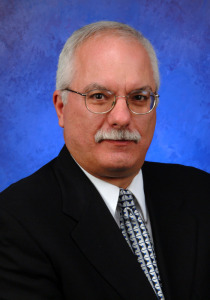 Gerald V. Naccarelli MD was born in Philadelphia, Pa, received his B.S. in Biology from St. Joseph’s University and his MD degree from the Pennsylvania State University College of Medicine in Hershey. He was an Internal Medicine Resident at the North Carolina Baptist Hospital/Bowman Gray School of Medicine (Wake Forest University). He was a Fellow in Cardiology and Chief Resident in Medicine at the Penn State University College of Medicine followed by a UPSHS postdoctoral Fellow in Cardiac Electrophysiology at the Indiana University School of Medicine. Prior to his current position at Hershey, he was Director of Clinical Electrophysiology and Vice-Chairman of Cardiology at the University of Texas Medical School at Houston. In 1995 he moved to Hershey and currently is the Bernard Trabin Chair in Cardiology, Professor of Medicine, Chief of the Division of Cardiology, and Associate Clinical Director of the Heart and Vascular Institute at the Pennsylvania State University College of Medicine/Milton S. Hershey Medical Center.
Dr. Naccarelli had been a member of multiple national committees of the American Heart Association (AHA), American College of Cardiology (ACC) and the Heart Rhythm Society (HRS). He is past-president of NASPE (HRS) and a past-member of the Board of Trustees of the American College of Cardiology and HRS. He served on the ABIM Subspecialty Board on Cardiovascular Diseases from 1999-2005 and currently is the Chair of the ABIM Cardiovascular Diseases SEP Committee. He was a charter member of CMS’ Ambulatory Payment Classification (APC) advisory panel. He is an elected member of the Association of University Cardiologists (AUC) and member and Past-President of the Association of the Professors of Cardiology (APC).
Dr. Naccarelli is internationally recognized for his clinical, teaching and research contributions. He has been listed in the best Doctors of America (Cardiovascular Diseases – Electrophysiology) since 1992 and America’s Top Doctors (Castle Connolly) since 2001. Dr. Naccarelli has trained 27 fellows in cardiac electrophysiology and over 125 fellows in Cardiology over his 31 years of clinical practice.
Dr. Naccarelli’s research interests are in atrial fibrillation, clinical arrhythmia trials, implantable devices for treating arrhythmias and congestive heart failure, antiarrhythmic drug development and autonomic aspects of arrhythmogenesis. He has published over 550 peer review papers, book chapters, reviews and abstracts and is the author of 3 books. Dr Naccarelli has been involved in the clinical development and approval of all the antiarrhythmic agents released in the USA over the last 30 years. He has been an active consultant to over 25 companies in medical industry and is currently on the steering committee of 6 major clinical trials.
He is a recipient of the Paul Dudley White Award from the American Heart Association and the Nycomed Amersham Award for Excellence Honoring Leadership, Achievement and Commitment to the Profession from the American College of Cardiovascular Administrators and the 2012 Clarence E. Shaffrey, S.J. Award, from St. Joseph’s University, in recognition of his service and outstanding achievement in the medical profession. He is currently on the editorial board of 8 scientific journals in addition to being Associate Editor of the Journal of Interventional Cardiac Electrophysiology and a past Associate editor of Circulation.
Dr. Naccarelli and his wife, Terry, have a daughter, Michele, and a son, Matthew, both of whom work in Philadelphia. Outside of medicine, Dr. Naccarelli’s hobbies include golf, hockey card collecting, enology and playing the guitar.
Antoinette Nguyen, MD, MPH, FACOG
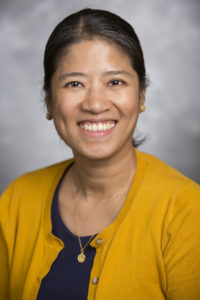
Dr. Nguyen is a medical officer with the Division of Reproductive Health at the Centers for Disease Control and Prevention, adjunct assistant professor with the Department of Gynecology and Obstetrics at Emory University School of Medicine, and adjunct assistant professor with the Department of Global Health at Emory University Rollins School of Public Health.
She received her MD and MPH in epidemiology from Emory University and completed a residency in obstetrics and gynecology at Northwestern University and a fellowship in family planning at the University of North Carolina. Her work focuses on contraceptive safety and effectiveness, and the development and implementation of evidence-based contraception guidance. Dr. Nguyen co-leads CDC contraception guidance, including the U.S. Medical Eligibility Criteria for Contraceptive Use and the U.S. Selected Practice Recommendations for Contraceptive Use.
Edith A. Nutescu, Pharm.D., FCCP
 Edith A. Nutescu, Pharm.D., FCCP, is Clinical Professor in the Department of Pharmacy Practice and Center for Pharmacoeconomic Research at the University of Illinois at Chicago College of Pharmacy. She also serves as the Clinical Manager of the Antithrombosis Center at the University of Illinois at Chicago Medical Center. Dr. Nutescu earned her Pharm.D. degree with high honors at the University of Illinois at Chicago College of Pharmacy. After graduation, Dr Nutescu went on to complete an American Society of Health-System Pharmacists (ASHP)–accredited Pharmacy Practice Residency at Lutheran General Hospital–Advocate Health Care and a Primary Care Specialty Residency at the University of Illinois at Chicago Medical Center.
As a clinician and educator, Dr. Nutescu has contributed extensively to the care of patients and the education of students and health care providers on topics related to cardiovascular therapeutics. Dr. Nutescu maintains an active clinical practice and research program. Her research and practice interests are in the areas of comparative effectiveness, health services and outcomes, with emphasis in cardiovascular diseases, stroke, thrombosis, and antithrombotic therapies. Dr Nutescu has authored or co-authored over 100 scientific articles, book chapters, and abstracts published in the science and medical literature and has served as a reviewer for the literature in her field.
Dr. Nutescu’s research has been funded by the Department of Health and Human Services and the National Center for Research Resources and is a recipient of the Ruth L. Kirchstein National Research Service Award for 2009-2011. Dr. Nutescu is the recipient of the American College of Clinical Pharmacy’s 2009 Clinical Practice Award and the American Society of Health System Pharmacists, Section of Home and Ambulatory Care Practitioners 2010 Distinguished Service Award.
Garth Rosenberg, MD, FACS
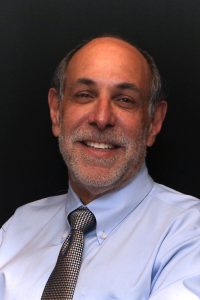 Dr. Rosenberg is a fellowship trained vascular surgeon with a special interest in the management of venous disease. As a Fellow of the American College of Surgeons, a Diplomate of the American Board of Venous and Lymphatic Medicine, and a member of the American College of Phlebology, Dr. Rosenberg has been actively involved in venous education for many years. He has lectured nationally and internationally and been a primary investigator for FDA approved Phase 3 clinical trials on newer endovenous techniques for the management of venous insufficiency and varicose veins.
Capitol Vein & Laser has recently opened the DVT Center where Dr. Rosenberg will be actively involved with the diagnosis and management of patients with both superficial and deep vein thrombosis.
Prior to moving to Frederick, MD, in 2000, Dr. Rosenberg was an Assistant Clinical Professor of Surgery at the Temple University Medical School and was Section Chief of Vascular Surgery at Episcopal Hospital in Philadelphia, as well as director of the Diabetic Foot Center at Episcopal Hospital. Before focusing exclusively on the management of venous disease, Dr. Rosenberg was very actively involved with both open and percutaneous arterial interventions in the treatment of arterial thrombotic and embolic disease.
Suresh Vedantham, MD
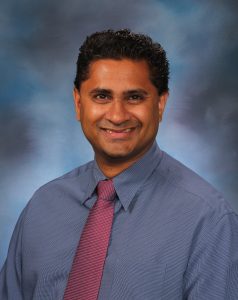
Dr. Suresh Vedantham, Professor of Radiology & Surgery at the Mallinckrodt Institute of Radiology at the Washington University School of Medicine in St. Louis, is an experienced Interventional Radiologist who specializes in the delivery and clinical investigation of image-guided therapies for venous thromboembolism (VTE). He has a robust clinical practice in which he sees patients with complex vascular/thrombotic disorders who are referred to him locally, nationally, and internationally for treatment that often includes innovative, image-guided procedures. Dr. Vedantham has devoted his career to the development of high-quality evidence to guide venous patient care. He serves as national Principal Investigator of the landmark, multicenter, NIH-sponsored ATTRACT and C-TRACT Trials that are defining the appropriate role of catheter-based endovascular therapy in the management of DVT and its complications.
At Washington University, Dr. Vedantham serves as Assistant Dean for Clinical Research and Chairperson of the institutional COVID-19 Clinical Studies Committee. He was honored to serve as the 2017-2018 President of the Society of Interventional Radiology and also as an executive board member for the American Venous Forum, American College of Phlebology, American Board of Phlebology, Vascular Disease Foundation, and Venous Disease Coalition.
Suman Wasan, MD, MS, MSVM, RVT
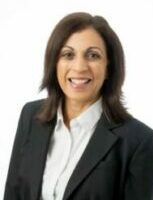
Dr. Wasan is a Professor and Chief of Vascular Medicine at Wake Forest University School of Medicine. Previously, she was a Clinical Professor of Medicine at the University of North Carolina at Chapel Hill.
Dr. Wasan’s clinical and research interests include venous thromboembolism, chronic venous insufficiency, superficial venous disease and related disorders. She participates as Steering Committee member on the NIH funded CTRACT trial.
Dr. Wasan has previously served on the Board of Directors of the Society of Vascular Medicine and American Board of Venous and Lymphatic Medicine.
Jeffrey Weitz, MD
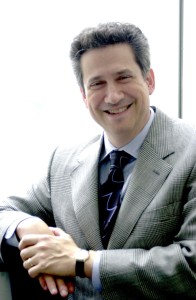 Dr. Weitz is a Professor of Medicine and Biochemistry at McMaster University and Director of the Henderson Research Centre. Board certified in Internal Medicine, Hematology and Medical Oncology, Dr. Weitz now focuses his clinical work in the area of thrombosis. He holds an Endowed Chair in Cardiovascular Research at McMaster University, which is funded by the Heart and Stroke Foundation of Ontario. He also holds the Canada Research Chair (Tier 1) in Thrombosis.
Dr. Weitz received the Medal in Medicine from the Royal College of Physicians and Surgeons of Canada in 1991, the Distinguished Scientist Award from the Heart and Stroke Foundation of Ontario in 1999, the Research Achievement Award from the Canadian Cardiovascular Society in 2006, and the Jack Hirsh Award for Outstanding Academic Achievement from McMaster University in 2008. He is a member of the American Federation of Medical Research, the American Society for Clinical Investigation, and the Association of American Physicians and gave the Davidson Lecture at the University of Edinburgh in 2000, the Nossel Memorial Lecture at Columbia University in New York in 2003, and the Mosesson Lecture at the Blood Research Institute in Milwaukee in 2008.
Dr. Weitz directs a well-funded research laboratory that focuses on the biochemistry of blood coagulation and fibrinolysis as it applies to venous and arterial thrombosis. A former Vice-President of Research for the Heart and Stroke Foundation, member of the Board of Directors of the Heart and Stroke Foundation of Ontario, Chair of the Scientific Review Committee for the Heart and Stroke Foundation of Canada, member of the Executive Council on Thrombosis of the American Heart Foundation, and Chair of the Council on Vascular Biology for the American Society of Hematology, Dr. Weitz has published over 265 peer-reviewed papers and 35 textbook chapters.
Diane L. Wirth, MS, ANP-BC, CACP
 Diane L. Wirth, MS, ANP-BC, CACP, is a nurse practitioner with Provider Health Services which provides primary care to long term care and rehabilitation facilities. Ms. Wirth is recognized by her peers as an expert in anticoagulation management of patients. Previously Ms. Wirth was employed at Grady Memorial Hospital (2010-2013) where she managed the department of cardiology and anticoagulation clinic as well as provided clinical support to the department.
Ms. Wirth was the managing NP in establishing the heart failure program which was awarded the GAGE award in May of 2013. Ms. Wirth spent the first 17 years of her career at Emory Healthcare, the last 8 years in which she managed the 8 anticoagulation clinics with 3000+patients and established a large virtual clinic with over 300 patients trained to self test their INR’s at home.
Ms. Wirth received her Master’s in Science/NP degree from Emory University and is credentialed as an adult nurse practitioner through American Nurse Credentialing Center. Ms. Wirth was appointed to the Anticoagulation Board of Directors in 2013 and is a certified anticoagulation provider (CACP). She serves as the treasurer on the Board of Directors of the National Certification Board for Anticoagulation Providers. Ms. Wirth has worked as a team member in a joint venture between CDC and the National Blood Clot Alliance to develop educational curriculum for thrombosis and atrial fibrillation. Ms. Wirth is a patient education provider/trainer for Alere Home Monitoring and has trained hundreds of patients to self test INR’s in their home.
Ms. Wirth has published articles on genetic mutations while at Emory Healthcare and reductions of CHF readmissions. Research interests include anticoagulation, patient education and reduction of hospital admissions. She worked with a team of experts to develop on line curriculum, Stop the Clot: What Every Health Care Provider Should Know. Ms. Wirth co-authored a chapter in the third edition text book Managing Oral Anticoagulation Therapy: Clinical and Operational Guidelines.
Daniel M. Witt, PharmD, FCCP, BCPS
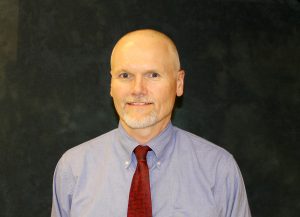
Dr. Witt is a Professor and Chair of the Department of Pharmacotherapy at the University of Utah College of Pharmacy. He received the B.S. degree in pharmacy from the University of Utah and the PharmD degree from the University of Washington. He completed a Clinical Pharmacy Residency at the University of Washington and Harborview Medical Centers, Seattle, WA, and an Advanced Residency in Primary Care and Family Medicine, University of Washington.
Dr. Witt has authored or co-authored more than 100 journal articles and 12 book chapters, and has given numerous lectures for continuing education programs. His research interests center on providing practical information regarding the optimal use of anticoagulation therapy to front-line practitioners and patients. He was panel chair for the 2018 Optimal Management of Anticoagulation Guideline chapter and member of the Treatment of Venous Thromboembolism Guideline chapter in the venous thromboembolism guidelines released by the American Society of Hematology.
Dr. Witt also serves on the Editorial Board of the journal Pharmacotherapy and is a member of the American College of Clinical Pharmacy, American Society of Health-Systems Pharmacists, and the International Society on Thrombosis and Haemostasis.
Jeffrey Zwicker, MD
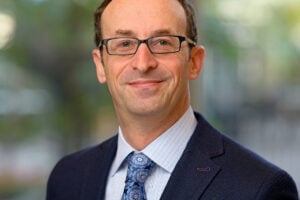 Jeffrey Zwicker, MD is an Associate Professor of Medicine at Harvard Medical School and Chief of Hematology Service at Memorial Sloan Kettering Cancer Center. Dr. Zwicker received a Bachelor of Science at University of California at Berkeley, Medical Degree at Penn State University and Masters of Medical Science at Harvard Medical School. He completed his residency and fellowship training at Beth Israel Deaconess Medical Center.
Dr. Zwicker has chaired a number of national and international scientific committees including Chair of the ISTH Subcommittee on Hemostasis and Cancer, Co-Chair of the Cancer Thrombosis Subcommittee of Venous Thromboembolism Network, and Past Chair of the Scientific Committee on Thrombosis and Vascular Biology at American Society of Hematology.
He has served on editorial boards for Journal of Thrombosis and Haemostasis and Research and Practice in Thrombosis and Haemostasis. Dr. Zwicker leads an NIH-funded research program at Beth Israel Deaconess Medical Center with a focus on novel risk factors and therapeutic approaches to thrombotic disease with an emphasis on cancer-associated thrombosis.
Click here to register for NBCA’s online curriculum for healthcare professionals.
Click here to learn more about NBCA’s Programs and Services.